


The Tricuspid Tipping Point: What EuroPCR 2026 Revealed About the Future of Valve Therapy
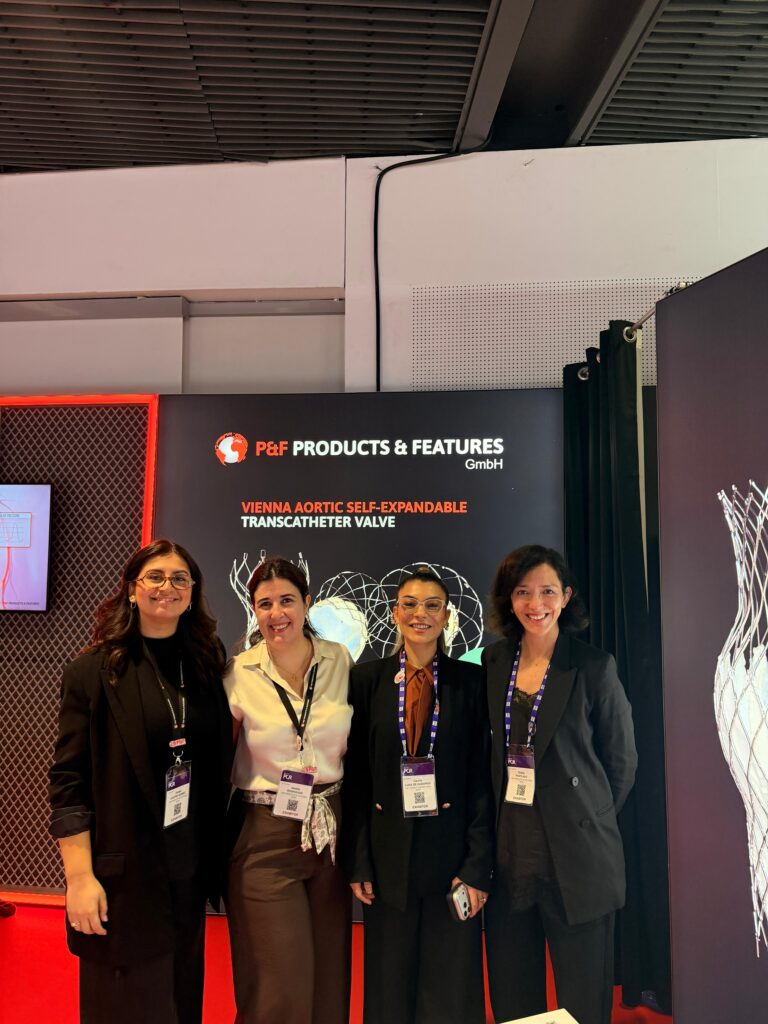
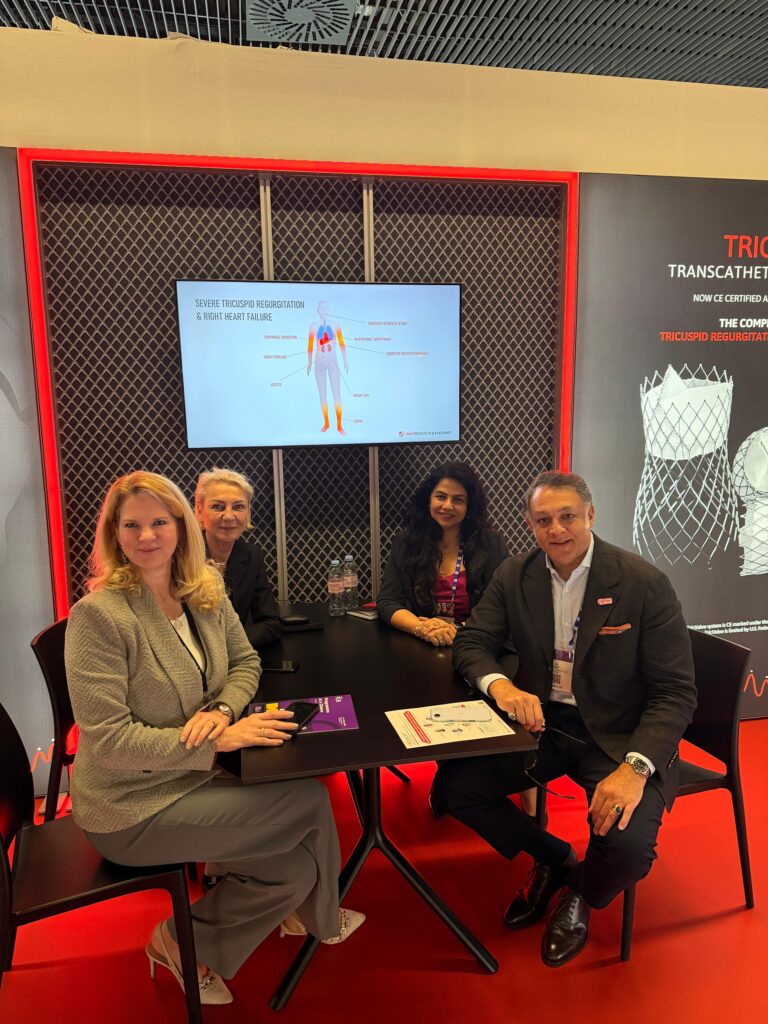
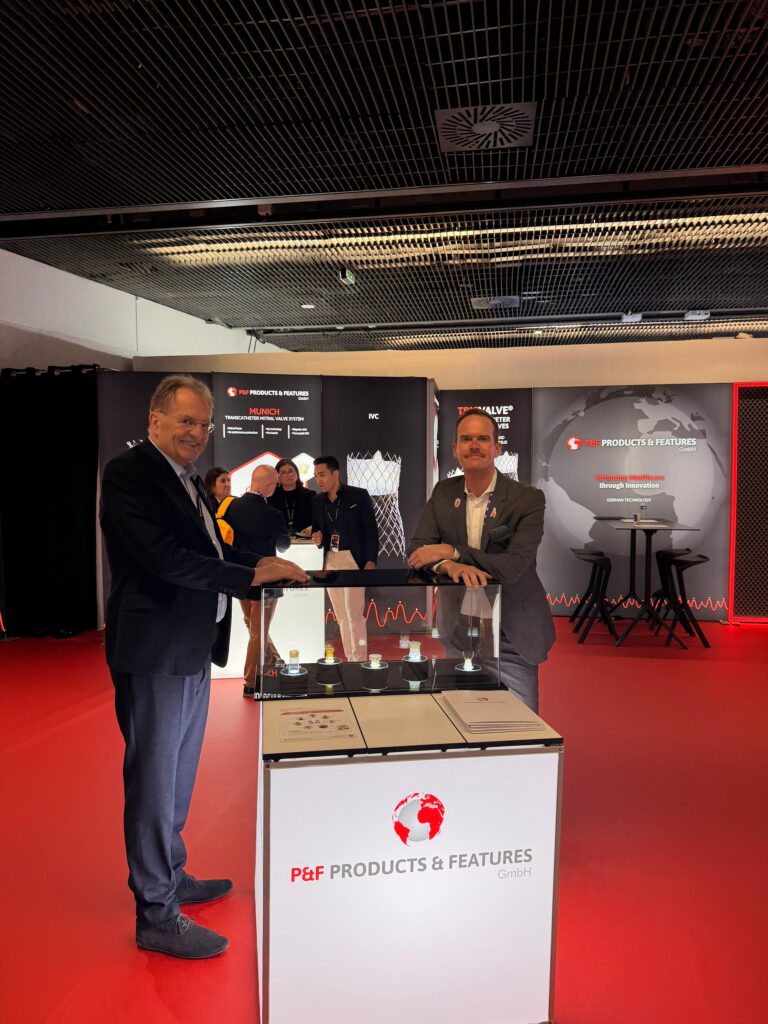
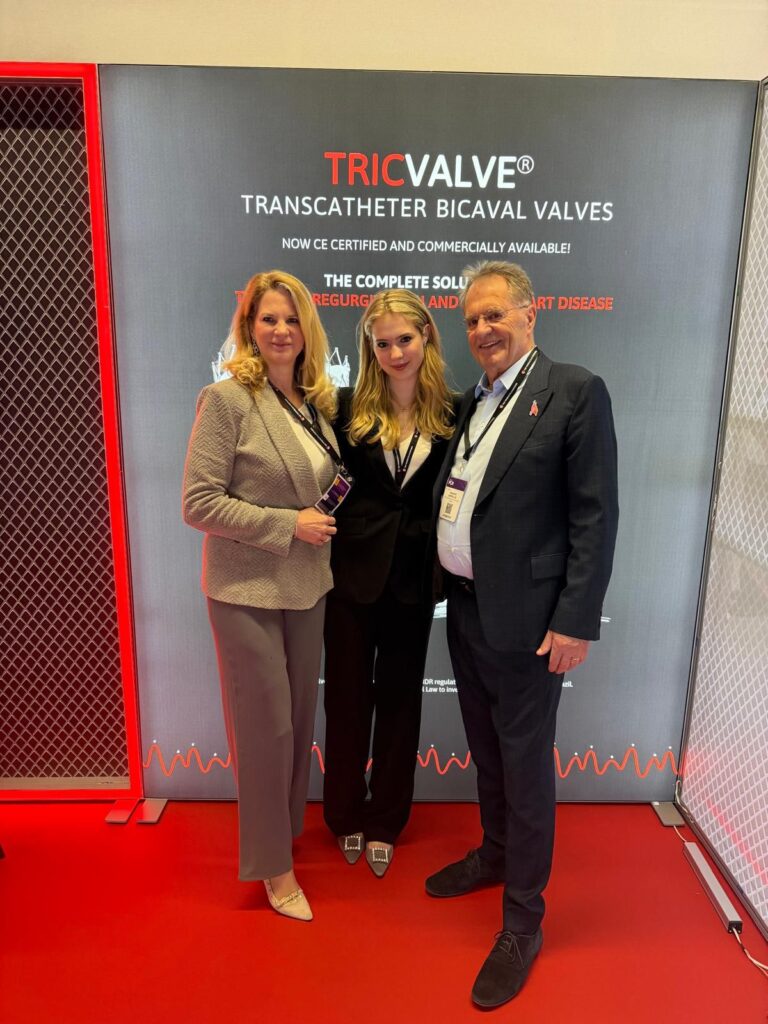
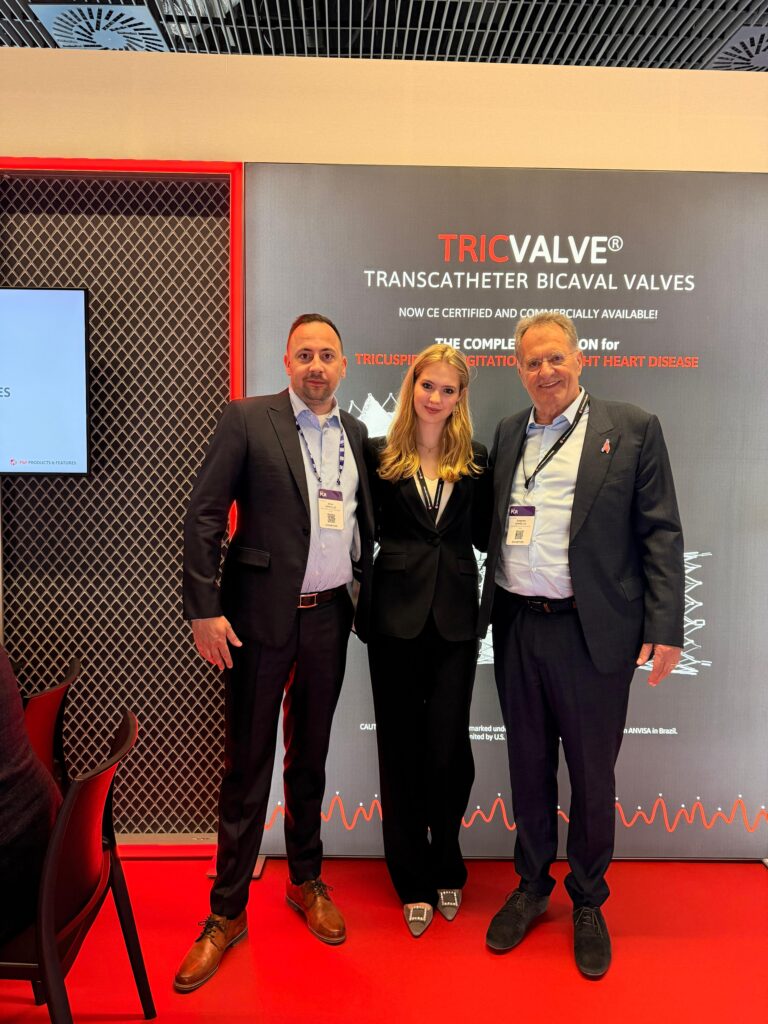
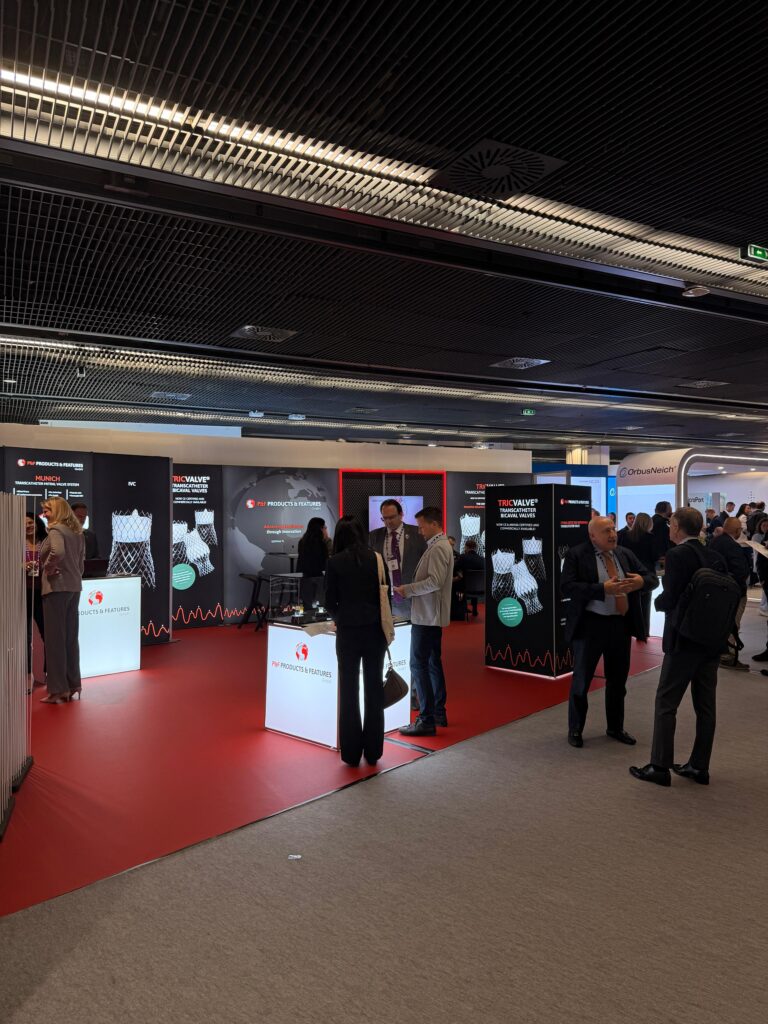
For four days in Paris, we were embedded in one of the most rigorous clinical environments in cardiovascular medicine. The program was dense, the debates were substantive, and the level of expertise in every session room was a reminder of why EuroPCR remains the benchmark event for the structural heart community.
Tricuspid Valve Therapy: The Field Is Maturing Fast
The volume and quality of tricuspid-focused content at this year’s EuroPCR were notable. This is no longer a niche or emerging space — it is an active, competitive, and clinically urgent one.
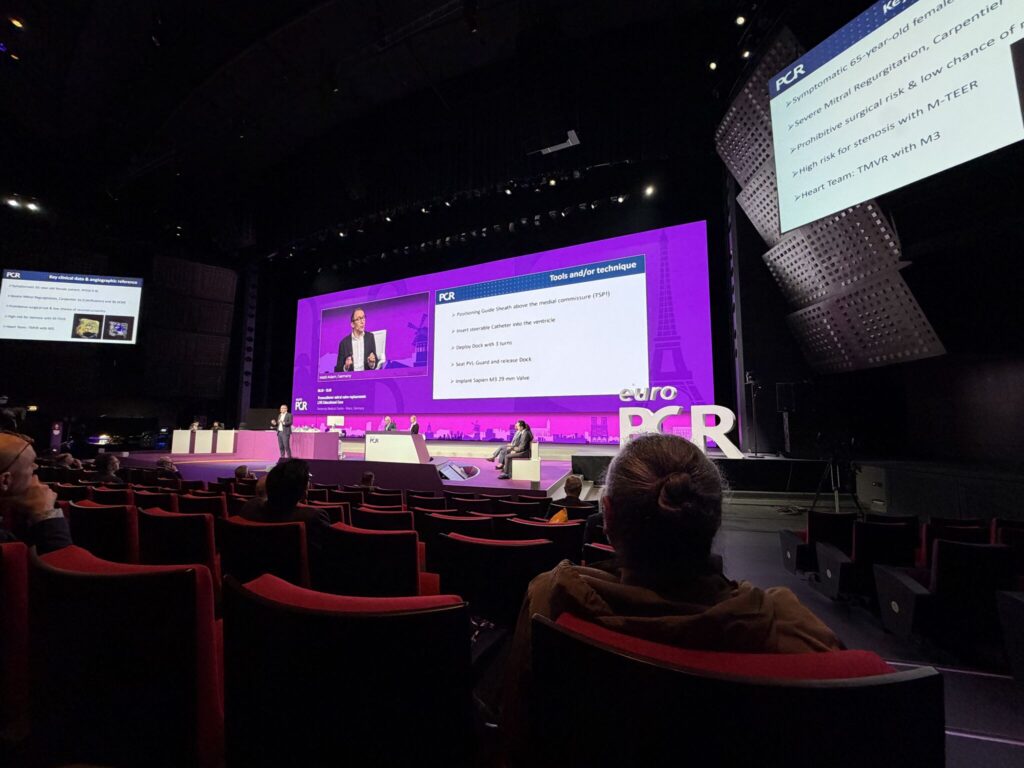
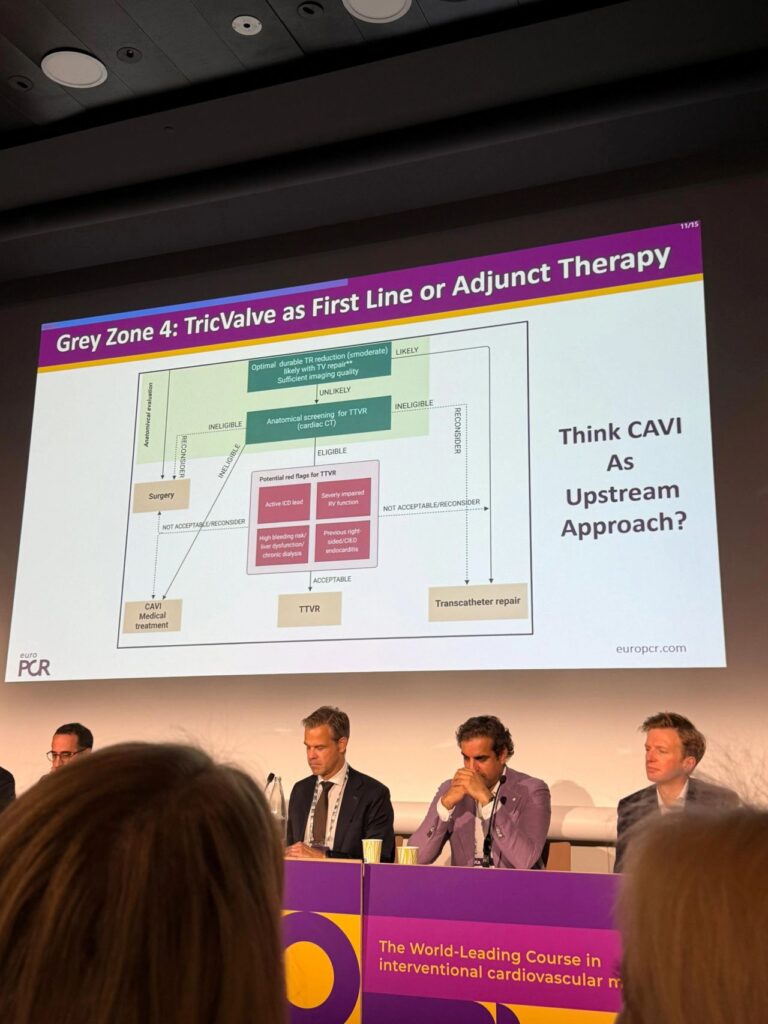
Dr. Rishi Puri co-moderated the session on clinical experience with transcatheter tricuspid valve replacement alongside Jörg Hausleiter and presented early outcomes from TRICAV — a novel caval reflux strategy for severe tricuspid regurgitation. The data offered an early but compelling signal: caval intervention may provide meaningful hemodynamic relief in a patient population that has historically had very limited options. The procedural rationale is sound, and the early outcomes warrant close attention as follow-up matures.
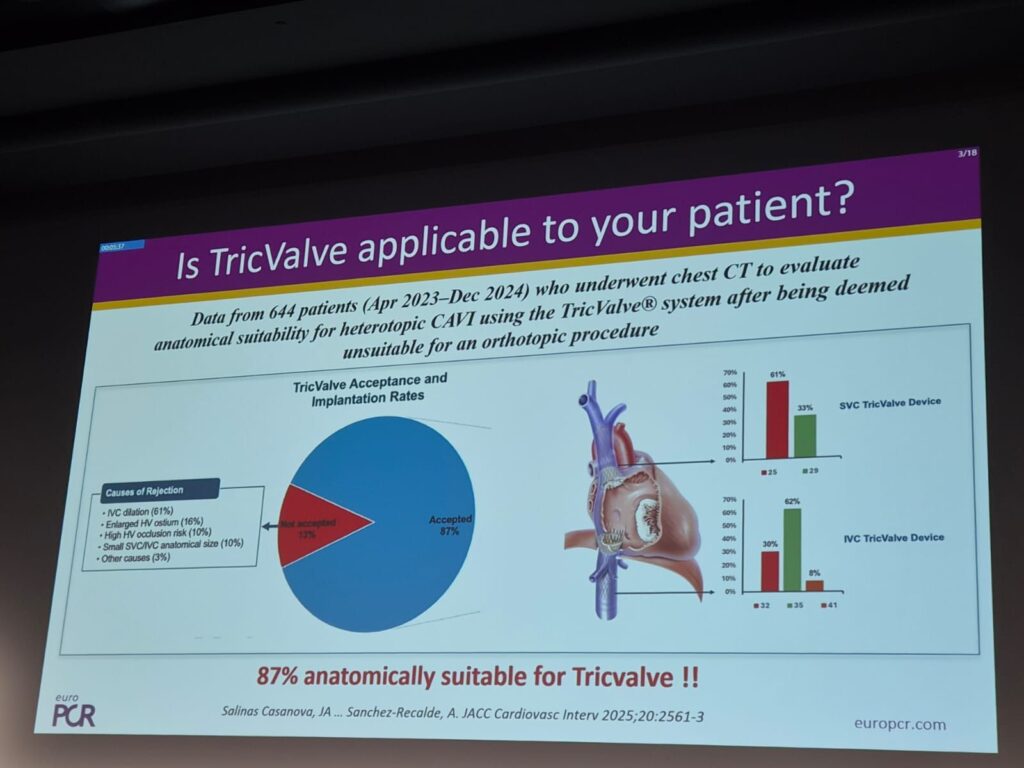
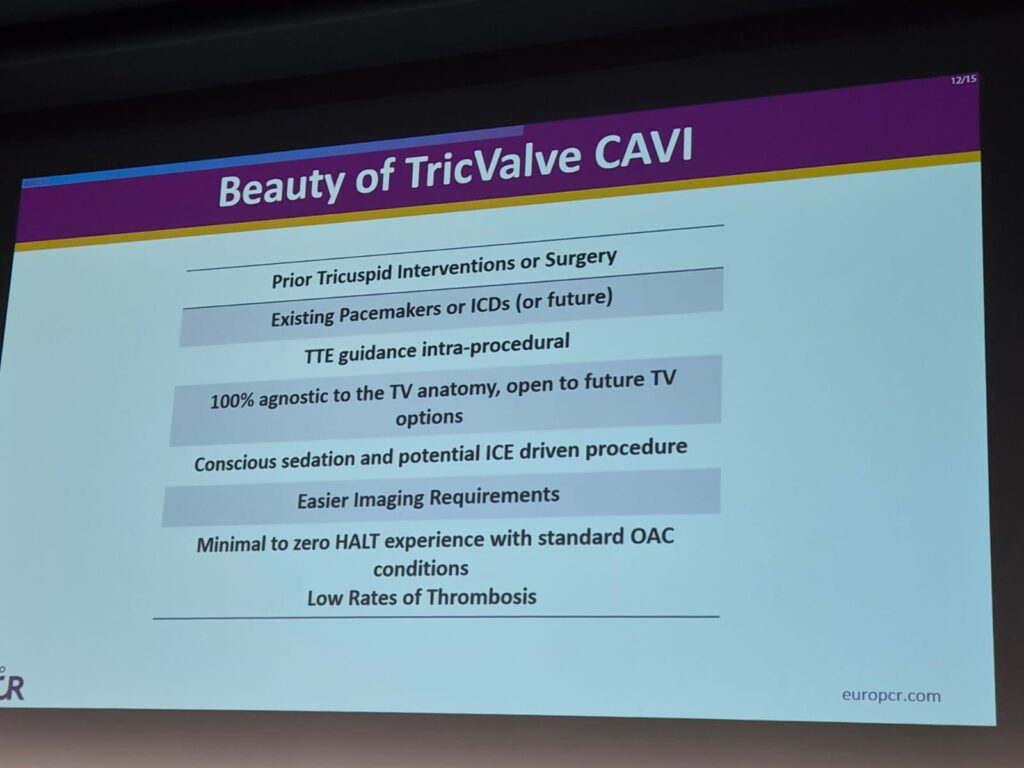
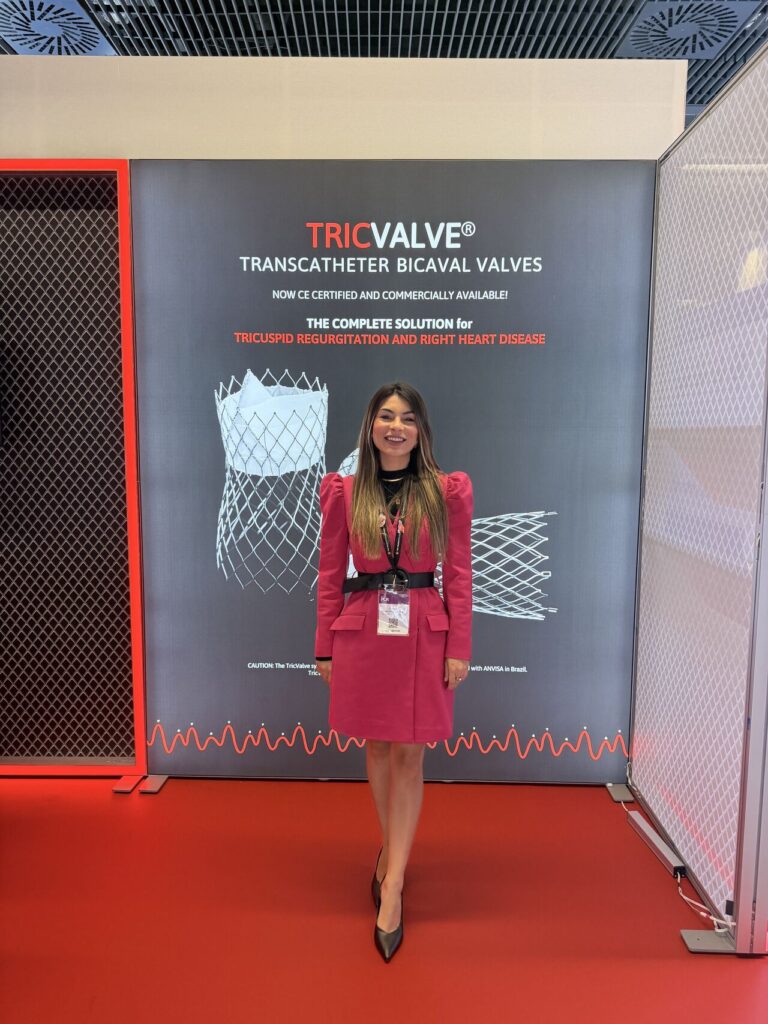
In the afternoon session on right-sided and tricuspid valve interventions, Dr. Phillip Nikolai presented mid- to long-term data from the TRICUS registry on TricValve® Bicaval therapy, the most substantive durability dataset for this approach to date. The follow-up data reinforced the sustained hemodynamic benefit of bicaval valve implantation while also highlighting the nuances of patient selection that will be critical to long-term program success.
Addressing the Right Question: Congestion, Not Just a Valve
One session cut through the procedural focus and asked a harder question: are we treating the right problem?
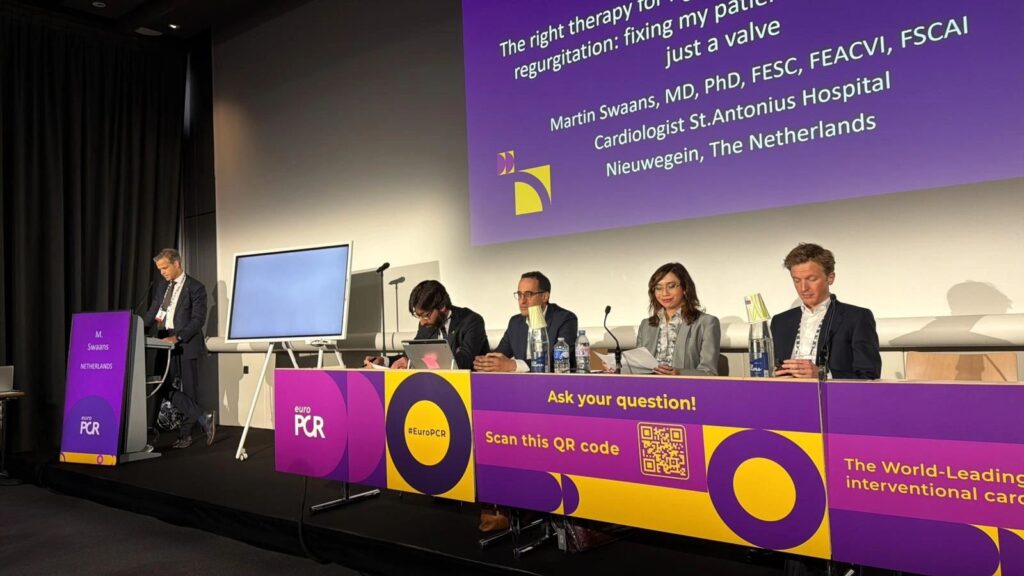
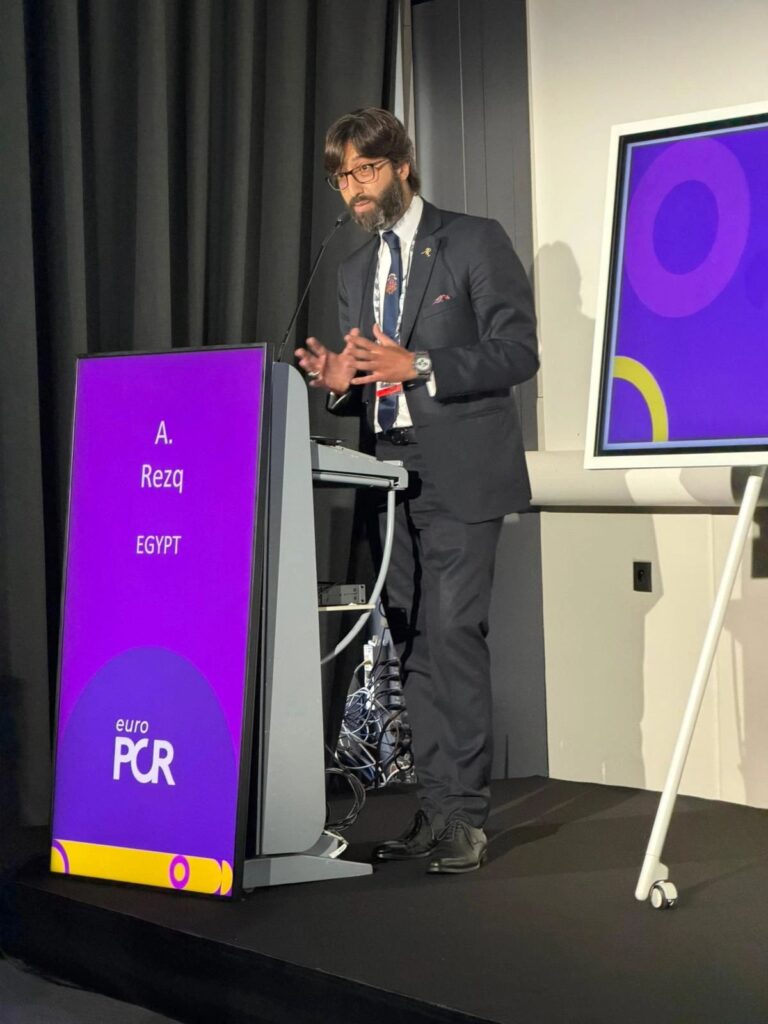
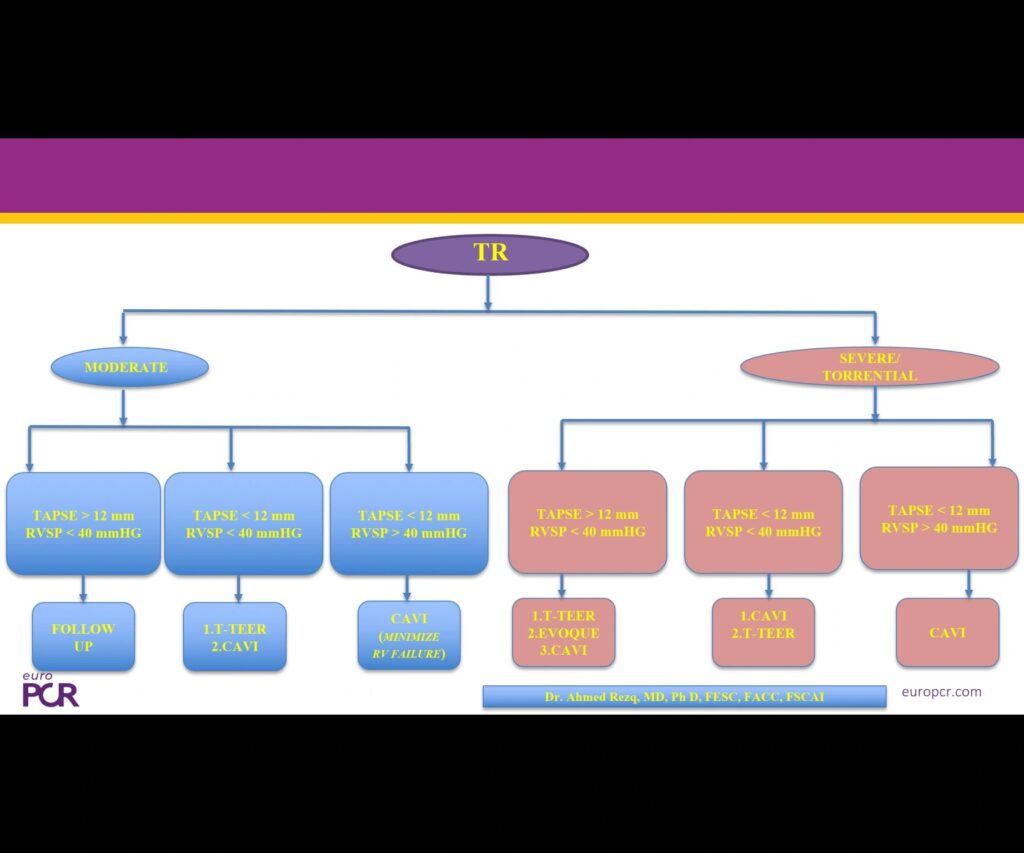
The debate — The right therapy for right heart failure and tricuspid regurgitation: fixing my patient’s congestion, not just a valve — was anchored by Dr. Martin Swaans, with Dr. Rishi Puri as spokesperson and a panel including Dr. Sam Dawkins, Dr. Nadira Hamid, Dr. Amir Abbas Mahabadi, Dr. Ahmed Rezq, and guest speaker Dr. Angel Sánchez Recalde.
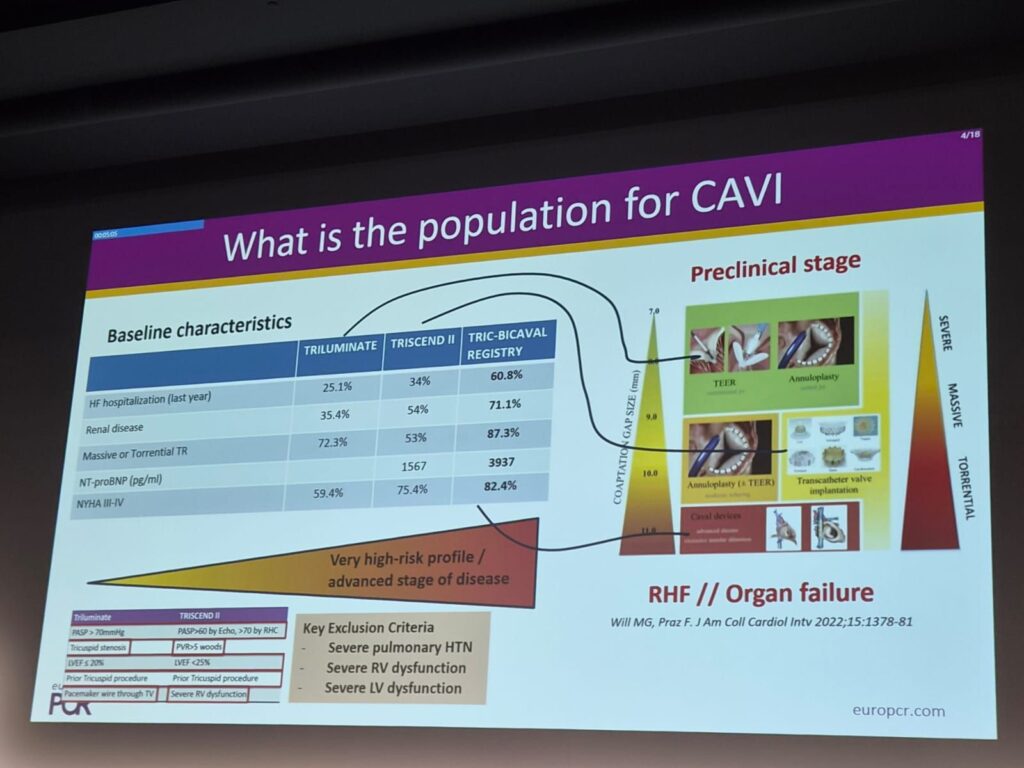
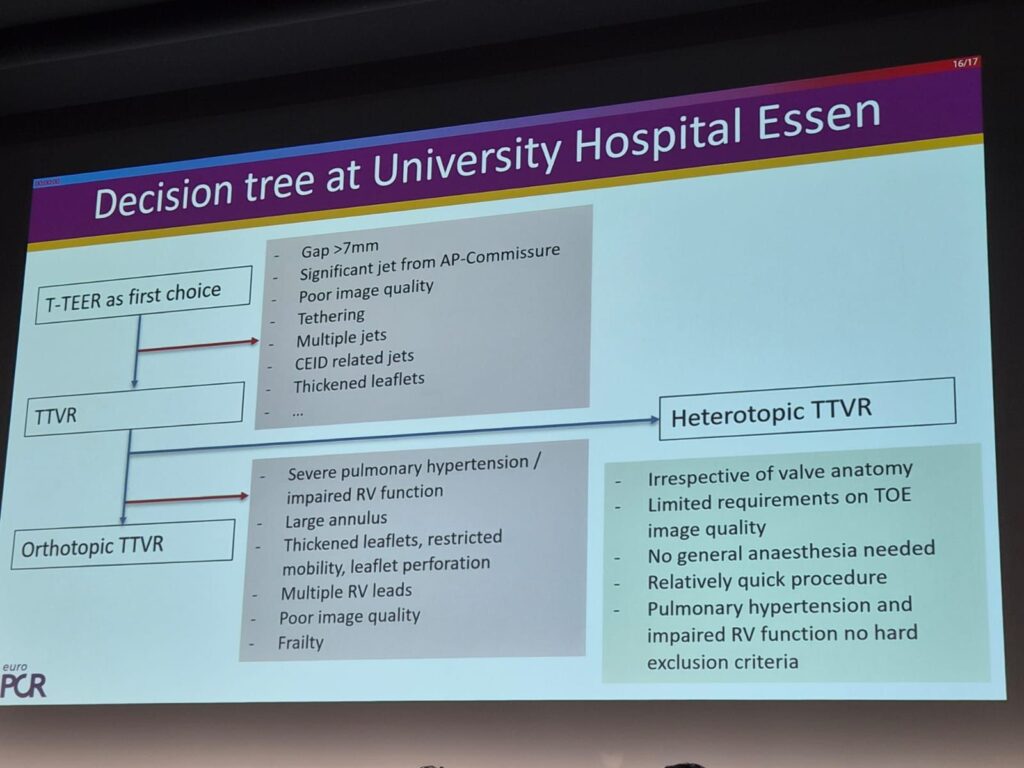
The core tension was productive and important: tricuspid regurgitation is often a manifestation of right heart failure and systemic venous hypertension, not simply a valve problem to be fixed. Optimizing a valve without addressing the underlying hemodynamic state may produce procedural success without clinical benefit. The panel pushed for a more integrated approach to patient workup — one that accounts for right ventricular function, volume status, and the systemic consequences of chronic congestion before any device decision is made.
For our team, this framing resonates directly with how we think about device solutions in this space. The clinical need is multidimensional, and the most effective interventions will be those designed around the full hemodynamic picture.
Complication Management: An Underserved but Critical Conversation
The session on complication management after tricuspid valve interventions, moderated by Francesco Ancona and Neil Fam, addressed something the field is only beginning to systematize, and Dr. Giuliana Corna brought P&F’s clinical experience directly into that conversation. Her presentation on the management of a TricValve® pop-up complication offered the kind of procedural granularity rarely captured in registry data: real-world decision-making in a challenging case, with transparent reporting of what went wrong and how it was resolved.
As transcatheter tricuspid volumes grow, recognizing and managing complications will become as important as the implantation technique itself. Dr. Corna’s contribution to this session was a candid and necessary look at that reality, and it reflects the standard of clinical rigor we bring to every aspect of this work.
Broader Takeaways
Beyond the specific sessions, EuroPCR reinforced several things we already believed, and clarified a few we needed to hear more clearly.
Structural heart therapy is moving toward integration. The most forward-looking clinical programs are not optimizing individual valves in isolation. They are building multidisciplinary teams, standardized hemodynamic assessment protocols, and systematic follow-up pathways. Device solutions that support that ecosystem, rather than just the procedure, will have a stronger clinical and commercial position.
The tricuspid space is reaching an inflection point. The combination of maturing registry data, new device entrants, and growing operator experience means the next two to three years will likely define how this therapeutic category is established in routine practice. Being present at EuroPCR and in the conversations at the margins of the formal program is not optional for companies serious about this space.
Partnerships are built in person. The relationships formed over four days in Paris with interventional cardiologists, program leads, and clinical collaborators are not replicable through digital channels. EuroPCR is where trust is built, and that trust directly shapes how clinical decisions about devices are made.
Looking Ahead
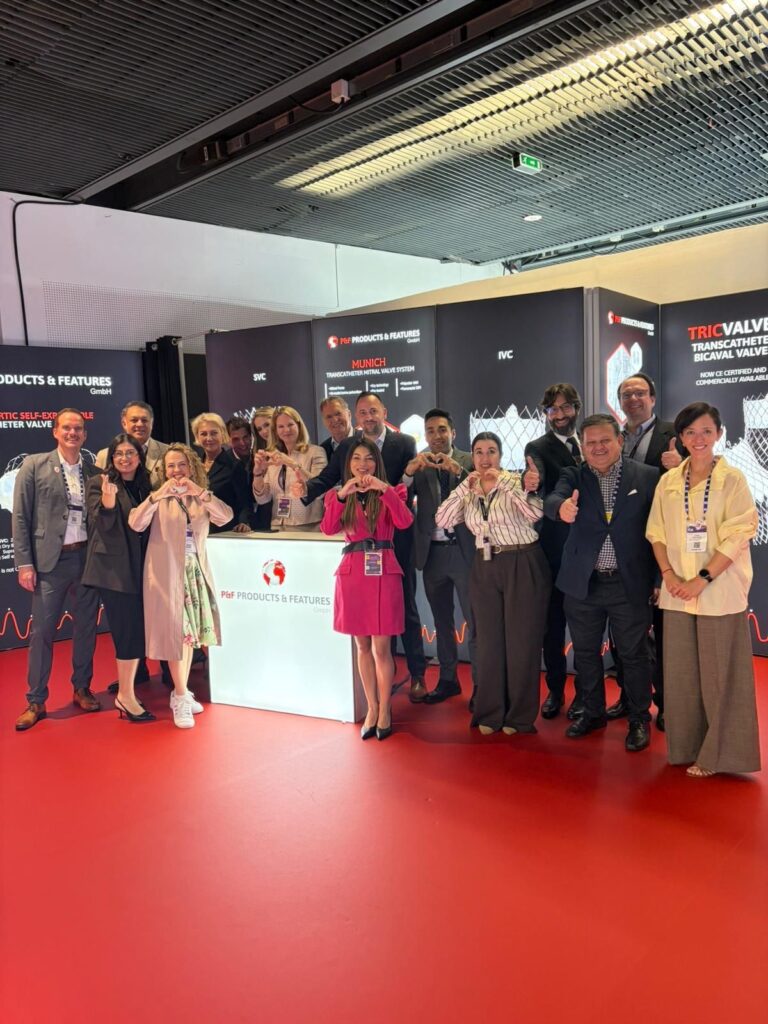
We return from EuroPCR 2026 having contributed to the scientific conversation at one of the most important forums in cardiovascular medicine as presenters, moderators, and advocates for a more integrated approach to structural heart disease.
The sessions our team led, particularly across the tricuspid valve track, will directly inform how we develop our portfolio, deepen our clinical partnerships, and continue to align our solutions with the real and evolving needs of interventional cardiology.
If you were at EuroPCR and would like to continue a conversation we started in Paris, we welcome it. And if you weren’t there this year, the tricuspid valve space, in particular, is one to watch closely.
CAUTION: The TricValve system is limited by U.S. Federal Law to investigational use. TricValve is MDR-CE-marked and registered with ANVISA.